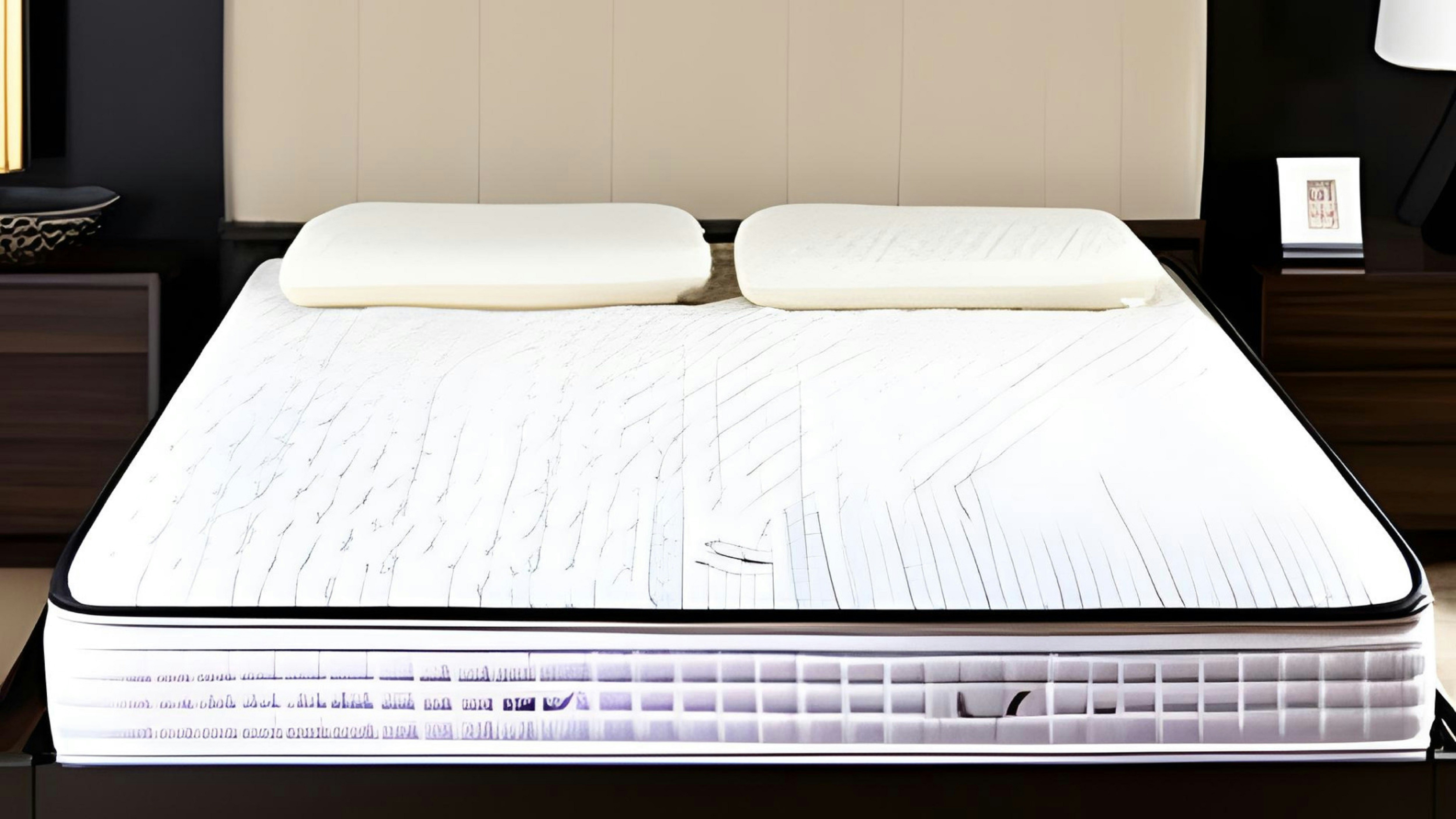
A platform bed is a bed frame designed to support a mattress directly, without requiring a separate box spring. Its base typically consists of a solid panel or a series of closely spaced slats attached to the frame. Some models have a low, simple profile, while others include a headboard, storage drawers, or decorative details. The key feature is the supportive surface built into the bed itself. Before placing a mattress on slats, check the manufacturer’s guidance on spacing, since gaps that are too wide may not provide suitable support for some mattresses.
A traditional box spring is a fabric-covered wooden frame containing metal springs. It sits between the bed frame and mattress, providing a degree of give and raising the sleeping surface. The term is also used for many modern foundations that resemble box springs but contain no springs. These products may have a rigid wood or metal interior and are intended to provide a stable, level base. As a result, the label alone does not establish how much flexibility or cushioning a foundation offers.
Both options distribute a mattress’s weight and help keep it level, but their construction can affect the feel and setup of a bed. A platform bed supports the mattress at the height set by its frame, whereas a box spring or foundation adds another layer and can make the bed taller. Height may influence how easy it is to get in and out of bed, as well as the appearance of the room. Slatted platforms can allow air to move beneath a mattress; a solid platform may provide less airflow, depending on its design. Box springs and rigid foundations also differ in ventilation, so construction matters.
Compatibility is important: some mattresses require a firm, non-flexing surface, while others specify a particular slat spacing or foundation type. Designs and terminology vary between manufacturers, and a product called a box spring may not contain springs at all. Compare the specifications for both the mattress and the base, including support requirements, dimensions, weight limits, and ventilation guidance. This helps ensure the chosen foundation supports the mattress as intended and creates a bed height and configuration suited to the room and its users.
The right foundation depends on the mattress construction, but the manufacturer’s requirements should always take priority over general guidance. Memory foam and latex mattresses commonly need a firm, flat, consistently supportive surface. Many can rest on a platform bed with slats, provided the slats are sufficiently wide and spaced no farther apart than the mattress maker specifies. Excessive gaps may allow the mattress to dip between supports, affecting comfort and potentially damaging its materials over time.
Hybrid mattresses also typically require even support across the sleeping surface, so a platform or compatible foundation may work when it meets the stated specifications. Traditional innerspring mattresses can sometimes be used with a box spring, particularly when the manufacturer designs or approves that combination. However, not every box spring suits every innerspring mattress, and some newer models require a rigid foundation instead. Check the mattress label, care guide, or manufacturer’s website for approved foundation types before purchasing or reusing a base.
Unsuitable support can contribute to uneven wear, sagging, or a less comfortable sleep surface. It may also affect warranty coverage if the mattress is used on a foundation that fails to meet the maker’s requirements. Confirm that the base is rated for the mattress and the combined load of sleepers, bedding, and other expected weight. For queen-size and larger beds, check whether the frame or foundation includes adequate center support, such as a central rail and legs extending to the floor. Inspect slat spacing and make sure the surface is level, stable, and free of broken or bowed components. These practical checks help prevent unsupported areas and clarify whether a platform bed, box spring, or another foundation is a suitable match. When details are unclear, ask the mattress maker rather than assuming that a familiar foundation will be compatible.
In everyday use, a platform bed can simplify the setup by combining the frame and mattress support in one piece. This may reduce the number of components to buy, assemble, move, and eventually replace, and some designs include drawers or open space beneath the bed. A box spring, by contrast, is usually placed on a separate bed frame, so the total setup has more parts. That arrangement can be useful when a mattress or foundation needs replacing independently, but it may add handling and assembly steps during a move.
Bed height depends on the dimensions of the frame, foundation, and mattress. A box spring adds height, which can make sitting down or standing up easier for some people, though a tall mattress combination may feel awkward in a room with low ceilings. Platform beds often sit lower, but their height varies by design; models with substantial legs or built-in storage may be just as tall as a box-spring setup. Check the combined height against your needs, including how comfortably your feet reach the floor when seated on the edge.
Storage, appearance, and upkeep also differ. A raised platform may leave room for bins, while a solid base or built-in drawers can limit open clearance. Box springs generally require space beneath the separate frame, although the frame’s design determines how accessible that area is. Platform beds range from minimal, low-profile styles to upholstered or storage-focused designs; box springs are usually concealed beneath the mattress and bed linens. Assembly varies by product, and either option can make noise if joints, slats, or supports loosen. Ventilation depends on the mattress and foundation construction: slatted platforms permit airflow, while solid surfaces may allow less circulation, and box springs vary as well.
Neither choice guarantees lower cost or longer service life. A platform may avoid a separate foundation purchase, while a box spring may suit a compatible frame and mattress already owned. Materials, construction, brand, weight limits, and care all influence price and durability. Compare the full setup rather than a single item, and consider whether a well-made foundation offers better long-term value than the least expensive alternative.
Choose a platform bed if you want a streamlined setup, a lower profile, or fewer separate components. Many platform beds support a mattress directly, so you may not need to buy a box spring as well. This can simplify shopping and reduce the number of items to assemble. Before choosing one, verify that its slats or solid surface meet the mattress maker’s requirements. Slat spacing, center support, and overall construction can affect how well the mattress performs and whether its warranty remains valid.
A box spring or foundation may be the practical option when your mattress manufacturer requires or recommends one. It can also suit a compatible bed frame, help raise the mattress to a preferred height, or make it easier to replace an existing foundation without changing the rest of the setup. The terms “box spring” and “foundation” are not always interchangeable: products differ in construction and intended use, so check that the specific model is approved for your mattress.
Use this checklist before deciding: confirm mattress compatibility and warranty conditions; measure the finished bed height you want and check that the foundation can be moved through doorways, halls, and stairs; review the bed frame’s support requirements and the weight ratings for the mattress and foundation; consider whether built-in storage or a particular style matters; and compare the total cost, including any frame, foundation, delivery, and assembly expenses. A lower purchase price may not be the least expensive complete setup.
If the specifications are unclear, contact the mattress and foundation manufacturers before ordering. Share the exact product names or model numbers and ask about required support, slat spacing, center legs, and acceptable foundation types. In general, select the platform bed when its surface meets the mattress specifications and its height and style suit your room. Choose a box spring or foundation when it is specified, fits your frame and preferred height, or makes replacing your current setup simpler. The right choice depends on compatibility and practical needs, not on one foundation type being universally better.
Leave a Reply