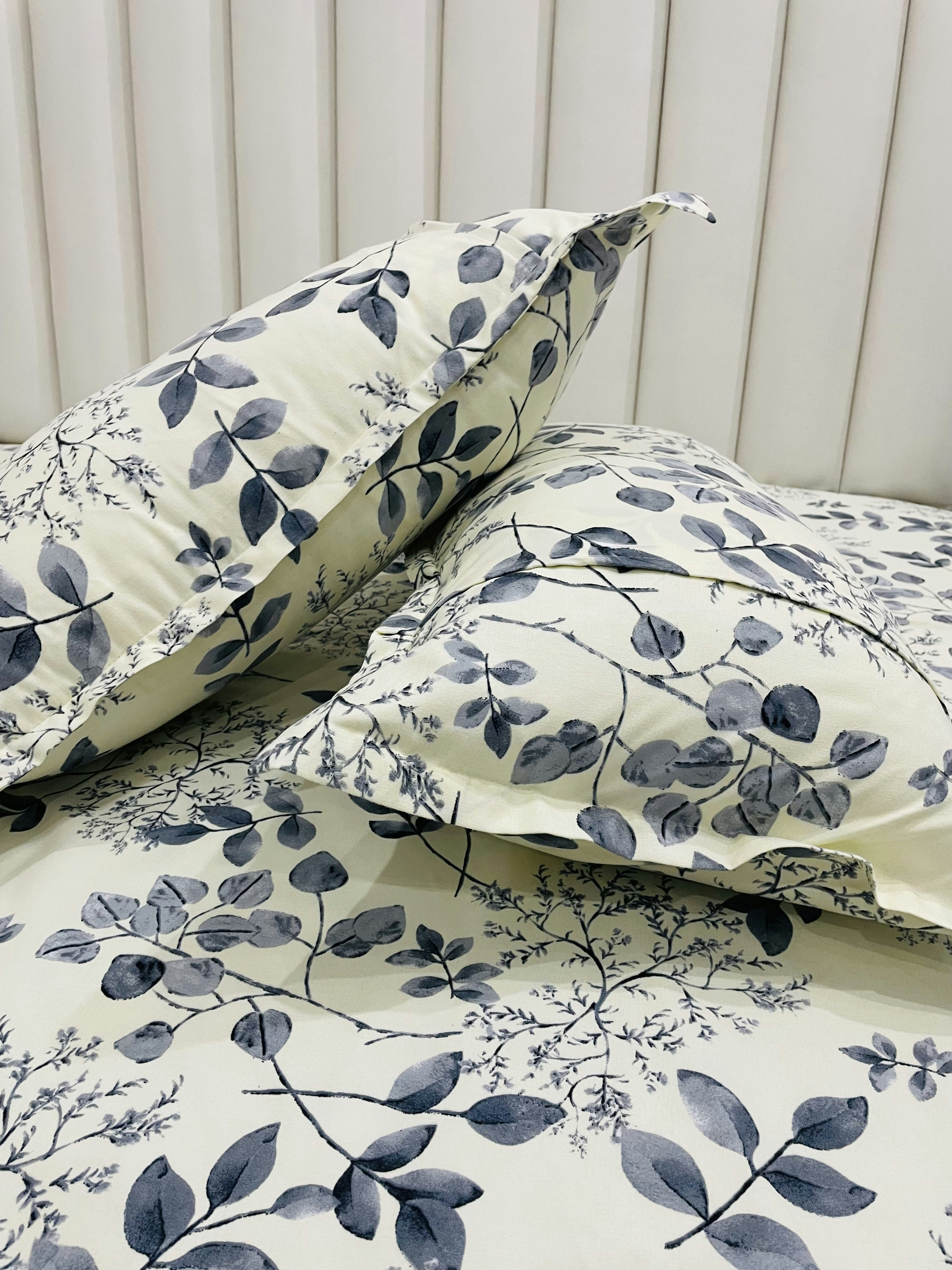
A mattress topper is a separate comfort layer placed directly on top of a mattress, beneath the fitted sheet. It is generally thicker than a mattress pad and is designed to noticeably change how the bed feels. Many toppers stay in place through their weight and friction, while some include elastic straps or corner bands to reduce shifting. Unlike a mattress protector, which primarily guards against spills, dust, and wear, a topper focuses on adjusting comfort and support.
The main purpose of a topper is to modify the sleep surface without replacing the entire mattress. A soft layer can add cushioning and help relieve pressure around the shoulders, hips, or other contact points. A firmer model may provide a more supportive feel for someone who finds a mattress too plush. Toppers can also help accommodate changing preferences or extend the useful comfort of a mattress that remains structurally sound. The result depends on the topper’s thickness, density, material, and the condition of the mattress underneath.
Common materials include memory foam, latex, polyfoam, and feather or down alternatives. Memory foam typically contours closely to the body and responds gradually to movement, while latex is often more buoyant and responsive. Polyfoam varies widely in feel and density, and feather or down-alternative fills tend to create a cushioned, yielding surface. These differences can affect pressure relief, ease of movement, heat retention, and how much care the layer requires. Covers may be removable and washable, but the filling itself can have specific cleaning instructions, so checking the manufacturer’s guidance matters.
A topper has limits: it can improve comfort, but it cannot reliably correct a mattress with deep sagging, broken components, or other structural damage. Adding a soft layer over a pronounced dip may simply reproduce the uneven support, while a firm topper cannot restore a weakened mattress core. If the bed is visibly damaged or no longer supports the body evenly, replacement may be more appropriate. A topper is best viewed as a comfort adjustment for a reasonably stable mattress, not a substitute for repairing or replacing one that has failed.
A mattress pad is a relatively thin, lightweight layer placed over a mattress and beneath the fitted sheet. Many pads have elasticized corners or a skirt that wraps around the mattress, much like a fitted sheet, so they stay in place during sleep. Their low-profile design makes them easy to remove for laundering and generally allows them to fit beneath ordinary bedding without noticeably changing the bed’s height. Unlike a thick topper, a pad is not usually intended to substantially alter a mattress’s firmness or support.
Protection is the main purpose of a mattress pad. It can help shield the mattress from perspiration, spills, stains, skin oils, and the friction of everyday use. Construction varies: common options include cotton or polyester face fabrics, sometimes combined with a waterproof or water-resistant membrane on the underside. Some designs add a light layer of polyester or other fill, while quilted stitching holds the material in place and creates a cushioned surface. These padded or quilted versions may make a bed feel slightly softer or more comfortable, but the change is generally modest. A thin, unfilled style, by contrast, may provide protection with little effect on how the mattress feels.
The terms “mattress pad” and “mattress protector” are sometimes used interchangeably by retailers, so product descriptions and construction details matter. A protector is generally designed chiefly as a barrier, often prioritizing resistance to liquids, allergens, dust, or other potential contaminants. It may use a waterproof membrane and a relatively simple fabric surface, with comfort as a secondary concern. A mattress pad can also provide barrier protection, but its design may place greater emphasis on a soft, quilted surface as well as everyday coverage. Neither label guarantees a particular level of waterproofing or cushioning. When comparing products, check whether the layer is waterproof, what materials touch the sleeper, how it attaches to the mattress, and whether it is machine washable. These details clarify whether a particular option is best suited to guarding the mattress, adding a small amount of softness, or combining both functions.
A mattress topper is generally thicker and designed to change how a bed feels, while a mattress pad is usually thinner and intended to protect the surface with a modest comfort adjustment. Toppers use materials such as memory foam, latex, or down alternative fill. Their added cushioning can reduce pressure around shoulders and hips, and make an overly firm mattress feel softer. A pad typically adds little loft, so it will not correct firmness problems or provide the same pressure relief. Choose a topper when comfort and cushioning are the priority; select a pad when the mattress already feels supportive and needs routine surface protection or a slight adjustment.
Protection varies by construction: a standard fabric pad may absorb minor spills but is not necessarily waterproof. Waterproof pads and mattress protectors use barrier layers, which differ in breathability and may produce crinkling or warmth. Check product specifications rather than assuming either a pad or topper blocks liquids. Pads are often easier to remove and machine-wash, though care instructions vary; toppers may need spot cleaning, airing, or a removable washable cover. Frequent laundering is generally simpler with a pad, whereas cleaning a bulky foam topper can be more involved.
Fit and stability matter with either layer. A fitted pad or protector should match the mattress depth and stay in place; a loose cover can bunch or shift during sleep. Toppers may require elastic straps, a grippy base, or a snug fitted sheet to prevent movement. If using both, place the topper directly on the mattress and the pad or protector over it, confirming that the combined layers fit securely and do not compromise comfort. Prices vary by size and material: pads are typically less expensive, while quality toppers cost more because they contain thicker cushioning materials. Durability depends on quality and care.
Start with the problem you want to solve. If your mattress feels too firm, uneven, or lacking in cushioning, a topper is generally the more suitable choice because it adds a substantial comfort layer and can change how the bed feels. Sleepers who experience pressure sensitivity may prefer a contouring topper that cushions areas such as the shoulders and hips. However, a topper is not a substitute for a mattress that no longer provides dependable support.
Choose a mattress pad when your main priorities are protecting the mattress from spills, everyday wear, or allergens, or making routine cleaning easier. Many pads are thinner than toppers and are designed to fit over the mattress with less change to its feel. Check the care label before buying: a machine-washable option can be convenient, but washing and drying requirements vary by material and construction. For hot sleepers, look for breathable fabrics and stated heat-management features, while remembering that comfort depends on the whole bed setup.
You can use both layers if you need added cushioning as well as a washable protective barrier. In that arrangement, place the topper on the mattress and the pad over it, provided both products’ instructions allow this setup. Confirm that the combined layers will not make the fitted sheet too tight or cause the bedding to shift. Straps, elastic skirts, and deep pockets are not interchangeable, so check how each item attaches and whether it suits your mattress.
Before purchasing, measure the mattress depth, including any existing layer you plan to keep, and compare it with the product’s pocket-depth range. Review dimensions, return conditions, warranty terms, and care instructions. Where relevant, examine material certifications and what they verify rather than assuming that a label guarantees a particular comfort or health outcome. Match the product to a specific need, whether that is cushioning, protection, or easier washing. If the mattress is worn out or sagging, replacing it is a more realistic way to restore support than relying on an accessory to correct the underlying problem.
Leave a Reply