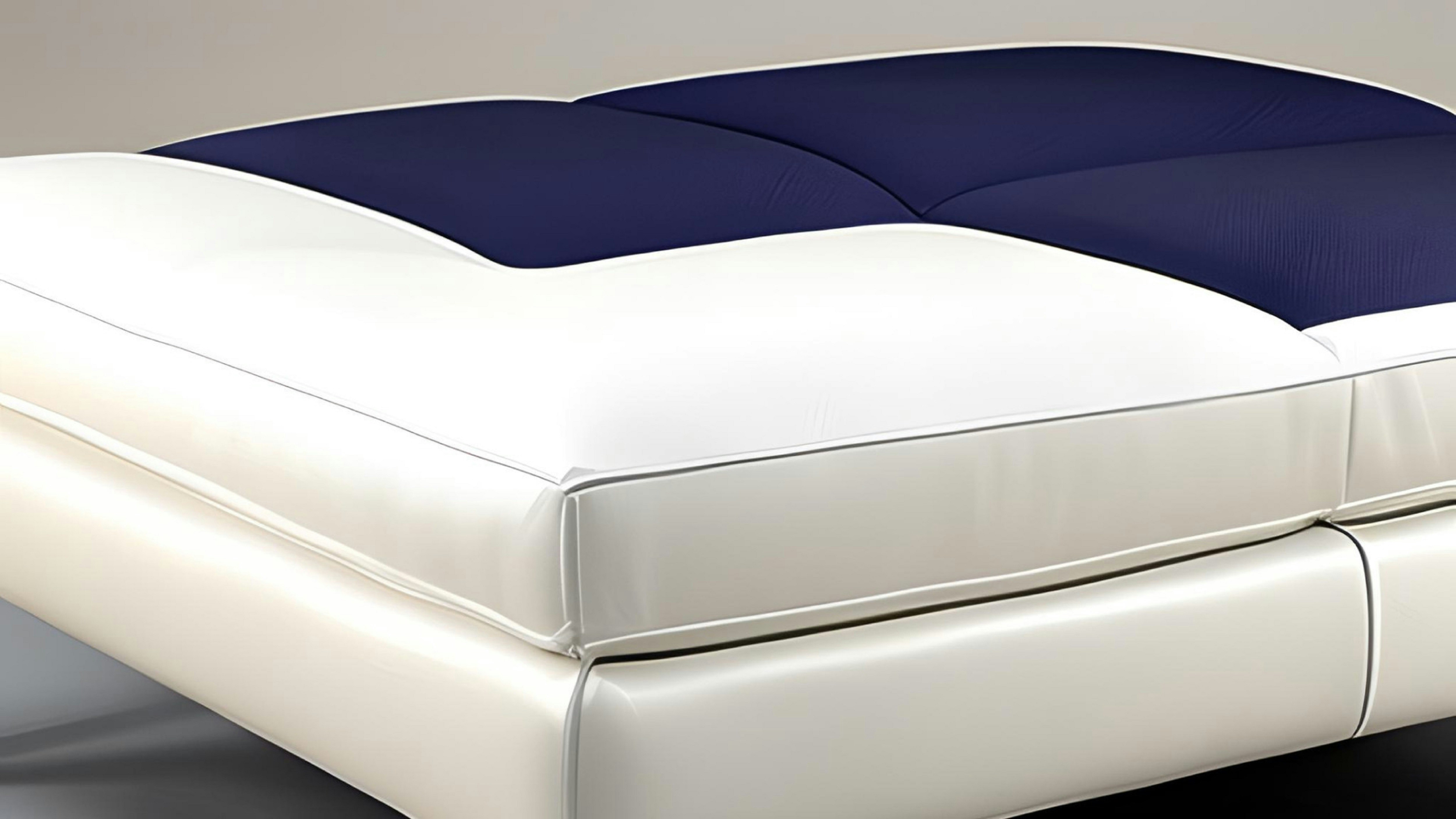
Mattress firmness describes the feel of the sleep surface when you first lie down. At one end, a plush mattress offers a soft, cushioning sensation, allowing the body to sink in more noticeably. At the other, a firm mattress feels more solid, with less give beneath the sleeper. Between these ends are medium and medium-firm options, which combine some cushioning with a more substantial surface. These labels describe an initial impression, not a complete assessment of the mattress.
Firmness should not be confused with quality or durability. A soft mattress is not necessarily poorly made, and a firm one is not automatically more supportive or longer-lasting. Construction, materials, and how well a mattress holds up over time all influence performance. The surface feel is only one characteristic, and it may change as the materials respond to body weight, sleeping position, and temperature.
Firmness is also subjective. The same mattress can feel soft to one person and firm to another because people differ in body weight, shape, preferred sleeping position, and sensitivity to pressure. For example, a lighter sleeper may not compress the comfort layers as much as a heavier sleeper, leading to different impressions of the same bed. Personal preference matters, but comfort alone does not indicate whether the body is being properly supported.
Support refers to how effectively a mattress helps keep the spine and body aligned, while firmness refers to the sensation felt on contact. A mattress can feel plush yet provide adequate support, or feel firm without being suitable for every sleeper. Both qualities matter, but they answer different questions: how the surface feels and how well it supports the body.
Many manufacturers describe firmness on a scale from 1 to 10, with lower numbers indicating softer feels and higher numbers indicating firmer ones. A rating near the middle is often presented as medium, but these scales are not standardized across the industry. One brand’s medium may feel softer or firmer than another’s, so ratings are best treated as rough guides rather than precise, universal measurements.
A soft mattress typically allows the body to sink farther into its surface. This creates a closer, more enveloping sensation, as the materials contour around curves rather than holding the body relatively level. For some sleepers, that cushioning feels comfortable and helps reduce pressure where the body presses most firmly against the bed.
That contouring can be especially noticeable around the shoulders and hips. A softer surface may accommodate these areas while supporting the waist and other parts of the body. However, deeper sinkage can also make turning or changing sleep positions feel less effortless. Some people may feel as though they need to push themselves out of a shallow impression.
A firmer mattress generally feels flatter and more supportive under the body. Sleepers often experience less sinkage and may find it easier to roll, reposition, or get in and out of bed. This responsive, stable sensation can suit people who prefer sleeping closer to the surface, though firmness alone does not determine whether a mattress provides adequate support.
With less cushioning, a firm surface may create pressure at prominent areas such as the shoulders, hips, or knees, particularly for someone who sleeps on their side. If the surface does not adapt enough to the body’s shape, those points can feel compressed. A mattress that feels comfortably supportive to one person may therefore feel unyielding to another.
These descriptions are broad rather than universal rules. Mattress construction influences how a given firmness feels: memory foam often responds by contouring closely, while latex or some spring designs may feel more buoyant or responsive. Comfort layers, support cores, and overall design also affect sinkage and ease of movement. As a result, two mattresses with similar firmness labels can feel quite different in practice. The best choice depends on personal comfort, sleeping position, body shape, and preferred level of contouring, rather than on the assumption that either soft or firm is always superior.
Your usual sleeping position can offer a useful starting point when choosing mattress firmness, because different postures place pressure on different parts of the body. Side sleepers often press their shoulders and hips into the mattress, so they may prefer a softer or medium-feel surface with enough cushioning to ease pressure. However, a mattress that is too soft can allow the body to sink unevenly. Look for a balance: padding that contours around the shoulders and hips while still supporting the waist and keeping the spine reasonably aligned.
Back sleepers commonly benefit from a medium or medium-firm feel that combines cushioning with stable support. The surface should allow the hips and shoulders to settle slightly without letting the lower back sag or arch uncomfortably. Stomach sleepers may find a firmer, more level mattress more comfortable, since excessive sinkage around the hips can strain the back. These are general tendencies rather than strict prescriptions; body shape, weight, personal comfort, and the mattress materials all affect how a firmness level feels.
Combination sleepers, who change position during the night, may want to prioritize responsiveness and ease of repositioning. A mattress that quickly adjusts as they move can make shifting from side to back, for example, feel less effortful. Consider whether the surface provides enough cushioning in the positions you use most while still feeling supportive in others. If you share a bed, your partner’s preferred posture may also differ, making a compromise or a mattress with distinct comfort zones worth considering. Treat sleep-position guidance as a first filter, then test options where possible. Give your body time to adjust, and pay attention to pressure, alignment, and how rested you feel rather than relying on a firmness label alone. The right feel is the one that supports comfortable, undisturbed sleep for your needs.
A mattress does not feel identical to every sleeper. The amount of pressure a person places on its surface affects how deeply the comfort layers compress, which can change the perceived firmness. Someone with a lighter body may not sink far enough to engage the softer layers beneath the surface. As a result, the bed may seem firmer than its rating suggests. A heavier sleeper may compress those same materials more deeply and experience the mattress as softer.
Weight can therefore offer a useful starting point when comparing firmness levels, but it is not a complete guide. Two people who weigh the same may have different proportions and distribute their weight differently. A person with broader shoulders or hips may create more pressure in those areas, while another sleeper’s weight may be spread more evenly. These differences influence how a mattress feels and whether it cushions the body where needed.
Body shape also affects spinal alignment. Side sleepers often need enough give around the shoulders and hips to reduce pressure, while the waist should remain supported. If the surface is too firm, these heavier contact points may feel compressed or sore. If it is too soft, the hips may sink excessively and pull the spine out of a comfortable position. Back sleepers can assess whether the lower back feels supported without an uncomfortable gap or an overly pronounced arch.
When testing a mattress, consider how your body feels after lying in your usual sleep position for several minutes. Notice whether your shoulders, hips, and lower back feel comfortably supported, and whether pressure or strain develops. A brief showroom test can reveal immediate discomfort, though sleeping on a mattress for a suitable trial period may provide a clearer picture. Choose based on support, pressure relief, and alignment—not weight alone. The right feel is the one that accommodates your proportions while allowing you to rest comfortably.
Choosing a mattress feel is not only a matter of preference; it also involves noticing how your body responds over a full night. Pay attention to comfort when you first lie down, whether you remain comfortable as you change positions, and how you feel when you wake. A useful fit generally supports a relaxed posture without creating sharp pressure or making movement feel difficult. Keep in mind that comfort can vary with sleep position, body shape, and personal sensitivity, so another person’s experience may not predict yours.
A surface may be too firm if pressure builds at contact points such as the shoulders, hips, or knees. Persistent discomfort, tingling, or numbness in those areas can be a sign that the mattress is not distributing pressure comfortably. Notice whether these sensations ease after you get up or continue to affect your rest. A firmer feel is not automatically better for posture, just as a softer feel is not automatically more relieving. Consider how the mattress feels across several nights rather than judging it from a brief test in a showroom.
A surface may be too soft if you sink so deeply that turning over takes effort, or if you feel as though your lower back is sagging. Excessive sinking can make it harder to settle into a comfortable position, particularly if your body does not feel evenly supported. If you wake with discomfort, consider whether it is linked to the mattress, your sleep position, or other factors; avoid assuming that firmness alone explains it. Adjustments such as changing pillows or sleep habits may also affect how you feel. If you have chronic pain, ongoing numbness, or another medical concern, seek individualized guidance from a qualified clinician. A mattress choice should not be treated as a way to diagnose, treat, or prevent a health condition. Instead, use your comfort observations as practical information when comparing options, and prioritize a setup that feels supportive and allows you to rest and move comfortably.
Comfort depends on more than a mattress’s firmness label. The materials and construction determine how the surface responds to weight and movement. Memory foam typically contours closely and eases pressure, while latex often feels buoyant, with more immediate pushback. Polyfoam can vary widely, from gently cushioning to firmer, quicker-responding support. Innerspring models tend to feel springier and permit more airflow through their coil systems. Hybrid designs combine coils with foam or latex comfort layers, so their balance of contouring, bounce, and ventilation depends on the specific materials and layer arrangement. Two beds with similar ratings may therefore feel distinctly different.
The upper layers shape the sensation you notice first. Quilting, a pillow top, or a plush comfort layer can make a mattress feel softer at the surface, even when firmer materials lie beneath. Room temperature also matters: some foams respond differently in cooler or warmer conditions, and a warm bedroom may make close-contouring materials feel less comfortable to heat-sensitive sleepers. These first impressions are useful, but they do not tell the whole story. As you lie down, the deeper support layers influence how far your body settles and whether your spine remains comfortably aligned. A mattress that initially feels inviting may provide too little support, while one that seems firm at first may cushion pressure points after a few minutes.
Consider how easily you change positions as well as how warm you tend to sleep. Close contouring can reduce pressure, but some people find that it takes more effort to turn or get out of bed. Responsive latex, coils, or less-conforming foam may make movement easier and create a livelier feel. If you are sensitive to heat, prioritize breathable construction and materials that do not hold as much warmth, while remembering that sheets, room conditions, and personal physiology also affect temperature. Comparing construction details alongside firmness ratings gives you a more practical basis for choosing. Whenever possible, test a mattress in your usual sleeping position and allow enough time to notice both surface comfort and the support beneath it.
Sharing a mattress means choosing a surface that works for more than one body. Partners may differ in weight, sleep position, temperature preference, or sensitivity to pressure, so a firmness level that feels supportive to one person may feel uncomfortable to the other. A lighter sleeper may experience a mattress as firmer because they sink in less, while a heavier sleeper may need more support to prevent excessive sagging. Side sleepers often benefit from cushioning at the shoulders and hips, whereas back or stomach sleepers may prefer a more supportive, even surface. These differences can also arise when a child or pet regularly shares the bed.
When preferences do not match, a medium-feel mattress can be a practical starting point, though it will not suit every pair. Some models offer adjustable firmness, allowing each side to be customized, while split-firmness designs provide different feels across the same bed. Another option is to use separate mattress layers or toppers on each side, provided they fit securely and do not create an uncomfortable gap. Before deciding, consider the whole sleep system, including the mattress size and whether each person has enough room to move without crowding the other.
Motion isolation is worth considering, but it is separate from firmness. It describes how well a mattress limits movement from traveling across the surface, which can help when one sleeper changes position or gets up during the night. A soft mattress is not automatically better at reducing motion, and a firm one is not necessarily more disruptive; materials and construction also matter. If possible, both sleepers should test the mattress together in their usual positions, staying on it long enough to notice pressure, support, and movement. Each person should assess their own comfort rather than relying on one partner’s impression. For shared sleep, a suitable feel balances individual support needs while allowing both sleepers to rest comfortably.
When testing a mattress, try to recreate the way you actually sleep rather than judging it from a quick sit or press. Lie down in your usual position for several minutes, allowing your body to settle. If you sleep on your side, notice whether your shoulder and hip feel cushioned without sinking excessively. On your back, check whether your lower back feels supported; on your stomach, consider whether your hips remain comfortably level. Pay attention to pressure points, uneven support, or a sense that your spine is being pushed out of a natural position. Comfort should feel balanced, not simply soft or firm.
While still on the mattress, roll into another position and move as you would during an ordinary night. Notice whether turning feels easy or whether you seem trapped in a deep impression. If you share the bed, consider how much movement travels across the surface when someone shifts. A mattress that feels pleasant while lying perfectly still may be less suitable if changing positions takes effort or causes discomfort. Take your time, and repeat the test in more than one position. A few minutes in a showroom can identify obvious problems, but it cannot fully predict comfort after hours of use or several consecutive nights.
Before buying, read the retailer’s trial policy and warranty carefully. Confirm how long the return or exchange window lasts, whether pickup, restocking, or delivery fees apply, and whether the mattress must be used for a minimum break-in period before a return is accepted. Check the warranty’s coverage and requirements as well; normal wear or comfort preferences may not qualify as defects. During the trial, keep brief notes about your sleep position, morning comfort, and any pressure, stiffness, or pain. Record whether discomfort improves or persists, and note changes after adjusting pillows or bedding. These observations make it easier to assess the mattress over time and decide whether it suits your needs, rather than relying on a first impression alone.
Choosing a mattress feel is easier when you work through a few practical questions in order. First, identify your usual sleep position. Side sleepers often need enough cushioning to ease pressure at the shoulders and hips, while back sleepers commonly benefit from a balance of contouring and support. Stomach sleepers may prefer a firmer surface that helps limit excessive sinking around the midsection. If you change positions during the night, consider how well the mattress accommodates each one rather than focusing on a single position.
Next, take body weight and pressure points into account. A mattress can feel firmer to someone with a lighter build and softer to someone who places more weight on its surface. Notice any areas where you regularly feel soreness or pressure; these may indicate that you need more cushioning or a different support balance. Then consider how much contouring you enjoy. A close-fitting feel can reduce pressure, but some people prefer to rest more on top of the mattress, where turning and changing positions may feel easier.
Also account for temperature and who shares the bed. If you tend to sleep warm, look for a feel and construction that do not create an overly enveloping sensation. For couples, consider whether both people can move comfortably and whether motion from one side disturbs the other. These factors may narrow the options, but personal comfort should remain central.
Finally, test the most plausible firmness range, ideally using a trial period that allows several weeks of regular use. Lie in your usual positions and check whether your spine feels relaxed and supported, without persistent pressure or strain. Do not treat a firmness number as a universal measure: labels can vary between brands, and the same rating may feel different depending on materials and body shape. The right choice is the one that feels comfortable while keeping your body well supported. If discomfort continues after an adjustment period, reassess the firmness or mattress design instead of assuming you simply need to get used to it.
Leave a Reply