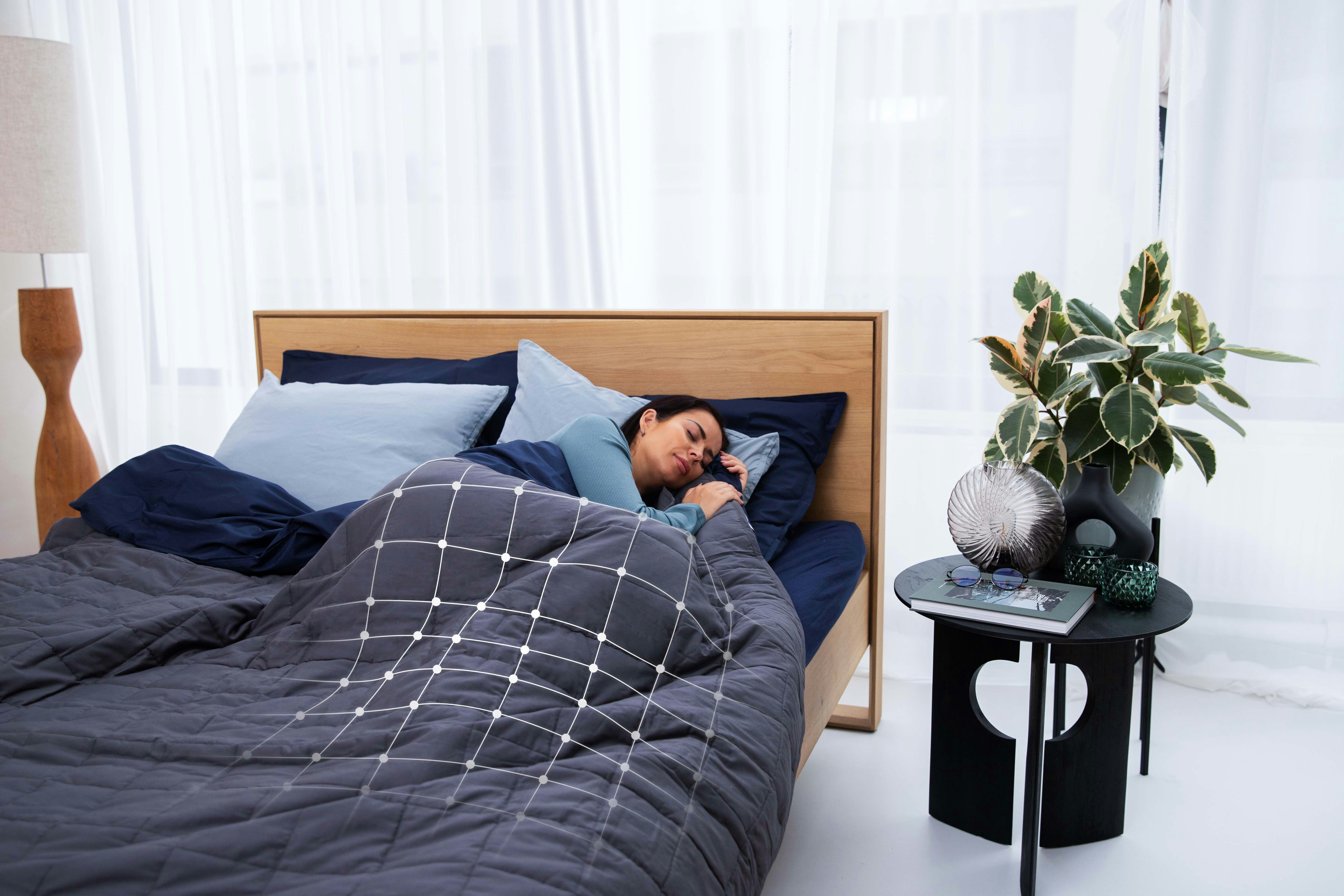
The mattress is the foundation of a comfortable bedroom because it supports the body for hours at a time. Choosing one involves more than selecting a softness level: firmness, construction, temperature control, and sleeping position all influence how well it suits an individual. A mattress that feels supportive should keep the spine in a natural, comfortable alignment while easing pressure around the shoulders and hips. Side sleepers often prefer enough cushioning for these areas, while back and stomach sleepers may need a firmer surface to limit excessive sinking. Body weight and personal preference can also change how the same mattress feels.
Materials shape the feel and performance. Memory foam contours closely and can reduce motion transfer, though some models retain heat. Latex is generally responsive and buoyant, with versions made from natural rubber often valued for durability and ventilation. Innerspring mattresses use coils to provide bounce and airflow, but comfort layers affect their pressure relief. Hybrid designs combine coils with foam or latex, aiming to balance support, cushioning, and temperature management. No type is best for everyone; consider sensitivities to heat, motion, noise, and materials when comparing options. Before buying, check construction quality, warranty terms, and whether the retailer offers a trial.
Pillows extend the support decision by helping keep the head and neck aligned with the spine. Pillow loft, or height, should suit both sleeping position and mattress feel. Side sleepers often need a higher, firmer pillow to fill the shoulder-to-ear gap; back sleepers commonly do well with medium loft; stomach sleepers generally benefit from a low, soft pillow. Fill materials such as down, feathers, polyester, latex, and memory foam differ in softness, resilience, and adjustability. Consider durability and whether a pillow stays supportive over time, since flattening can affect alignment. Replace worn products when comfort declines, and use trial periods.
Bedding influences how a bed feels throughout the night, from its softness against the skin to how well it manages warmth and moisture. The right choice depends on personal preferences, room conditions, and care needs rather than a single universally best material. Sheets, blankets, duvets, and mattress protectors can be layered to adjust comfort as seasons change.
Cotton is widely available in different weaves and finishes. Percale tends to feel crisp and breathable, while sateen has a smoother, often warmer feel. Linen is valued for its textured surface and airflow, though it wrinkles easily and may feel coarse until softened through use and washing. Bamboo-derived fabrics are commonly made from regenerated cellulose; their softness and feel vary by construction. Other materials, including microfiber, may be easy to care for, but can feel warmer to some sleepers. Weave, fabric weight, and individual skin sensitivity all affect comfort.
Choose blankets and duvets according to climate and preferred warmth. A lighter duvet may suit a warm bedroom or someone who tends to overheat, while a heavier option can provide more insulation in cooler conditions. Down is lightweight and lofty, whereas down-alternative fills can offer a similar feel and may suit people avoiding animal-derived materials. Wool can help regulate warmth and moisture, but its weight and care requirements differ by product. Check labels for cleaning instructions, since some fills need specialist care or protective covers.
A mattress protector can help limit exposure to spills, dust, and everyday wear; select a breathable design that does not noticeably change the mattress feel. Before buying sheets or covers, confirm mattress dimensions, including depth and any pillow top, and compare them with the product’s pocket or fitted-sheet measurements. Bedding that can be machine-washed and dried conveniently may be easier to maintain, especially for frequent changes. Consider fabric durability, washing temperature, and drying time alongside softness, warmth, and fit when choosing a set for year-round use.
Bedroom accessories can address small sources of discomfort that interfere with rest. A mattress topper adds a layer of cushioning and may soften a surface that feels too firm, while a supportive body pillow can help some sleepers maintain a comfortable position and reduce pressure on hips, knees, or shoulders. These additions are personal choices rather than universal fixes: comfort depends on sleep position, body shape, and the condition of the mattress. Check materials and care instructions, and allow time to assess whether an accessory genuinely improves comfort.
A weighted blanket may provide a snug, calming sensation for some people, but it is not suitable for everyone. Choose a weight that can be moved easily, follow the manufacturer’s guidance, and ensure the user can remove it without assistance. Avoid weighted products for infants, and seek professional advice if a health condition could affect breathing, movement, or temperature regulation. To manage unwanted light, use blackout curtains where practical, or try a comfortable sleep mask. Curtains can darken the room more completely, while a mask is portable and useful when travelling.
Disruptive sounds may be less noticeable with a white-noise machine, which produces steady background sound, or with earplugs that reduce noise reaching the ears. Neither option guarantees silence; choose a comfortable volume and fit, and keep alarms or other essential alerts accessible. Small details also influence how restful a bedroom feels. A bedside lamp with a gentle, warm light makes it easier to move around without bright overhead lighting. A fan can support airflow and provide a soft, consistent sound, though it should be positioned safely and kept clean. Finally, convenient bedside storage for books, glasses, chargers, or other essentials reduces clutter around the bed and limits last-minute searching. Select accessories according to the specific conditions that disrupt your sleep, introduce them gradually, and keep those that provide practical, noticeable comfort.
Choosing sleep products is easiest when decisions begin with personal needs rather than trends. Consider what currently disrupts rest: pressure points, temperature changes, light, noise, allergies, or limited storage. Then set a realistic budget and prioritize foundational items, such as a supportive mattress, suitable pillows, and comfortable bedding, before adding optional upgrades. People with sensitivities may prefer washable fabrics and materials that do not trigger irritation, while hot sleepers may benefit from breathable layers. In a small room, compact or dual-purpose products can preserve usable space.
Before buying, check dimensions against the bed and room, including clearance for drawers, doors, and walkways. Review return policies and trial periods, since comfort is difficult to judge from product descriptions alone. Cleaning instructions matter too: confirm that covers can be washed as needed and that care requirements fit your routine. Introduce changes gradually, testing one product at a time when possible. This makes it easier to identify whether an item genuinely improves comfort instead of simply adding expense or clutter.
Safety should guide selection and use. Follow manufacturer care labels and instructions, and avoid using products in ways they were not designed for. Weighted blankets should be an appropriate size and weight for the user, with particular care for children and anyone who may have difficulty removing one independently. Use heated bedding, sound machines, and other electrical accessories as directed; inspect cords and devices for damage, and keep them clear of anything that could create a hazard. When uncertain, consult the product guidance or a qualified professional.
A comfortable bedroom is personal, and no single purchase guarantees better rest. The most useful sleep products are those that suit individual preferences, fit the space, remain manageable to clean, and work well together. A considered buying plan helps distinguish lasting needs from passing preferences, while gradual testing keeps adjustments practical. Choose items that support a calm, comfortable setting and make it easier to maintain consistent routines. Over time, small, well-matched improvements may contribute more to restorative rest than a room filled with unnecessary upgrades.
Leave a Reply