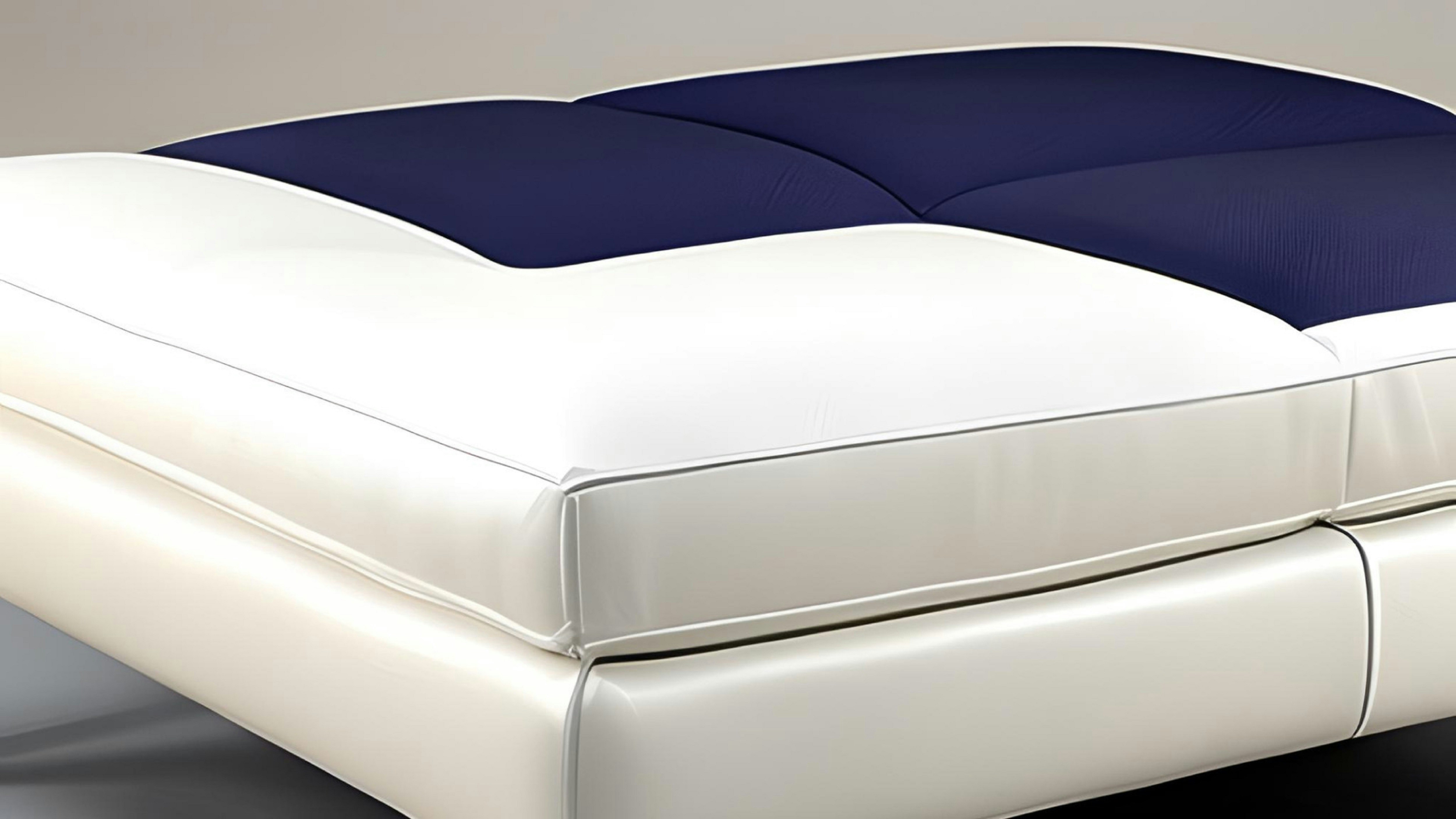
A comfortable bed is not defined by its price tag. The right setup depends on how you sleep, your body shape, your temperature preferences, and the kind of support you need. A mattress that feels restful to one person may leave another waking with pressure or stiffness. Before shopping, consider what comfort means for you rather than assuming that the most expensive option will be the best.
Start by identifying the problems you want to solve. Do you wake with discomfort around your lower back or shoulders? Does your bed feel too firm, or do you sink more than you would like? Are you often too hot during the night? Your usual sleep position can help clarify priorities: side sleepers may need enough cushioning to ease pressure at the shoulders and hips, while back or stomach sleepers may prefer a surface that keeps the body more evenly supported. Personal needs vary, so these are useful starting points, not strict rules.
Once you know your main concerns, set a realistic budget for the entire bed, not just the mattress. Include essentials such as a frame, foundation, mattress protector, and bedding if you need them. Then direct more of your budget toward the component most likely to improve your sleep. For example, someone troubled by pressure points may prioritize mattress comfort, while a person who overheats may look for breathable materials and sheets suited to warmer conditions. Making these choices in advance can reduce impulse spending on features that do little to address the actual problem.
Support underneath the mattress matters, too. A stable, suitable bed frame or foundation can help the mattress perform as intended and may contribute to its durability. Check the mattress maker’s support requirements before buying, and make sure the frame is sturdy and appropriately sized. Decorative extras, coordinated furniture, and premium styling can be added later. By distinguishing essential comfort and support from optional upgrades, you can build a bed that fits both your needs and your budget.
Start by comparing mattress types rather than assuming the most expensive option will provide the best sleep. Basic foam mattresses often cushion pressure points and limit motion transfer, which can suit side sleepers or people sharing a bed. Innerspring models usually feel more buoyant and allow airflow, though their support and durability depend on coil construction and padding. Hybrids combine coils with foam or other comfort layers, offering a balance of bounce and cushioning, but they may cost more. Consider your usual sleep position, body weight, temperature preferences, and whether you prefer a firm, soft, or responsive feel. These factors matter more than a label or a promotional description.
When possible, test mattresses in person by lying in your usual sleep position for several minutes. Notice whether your hips and shoulders feel supported and whether your spine seems comfortably aligned; a mattress that feels pleasant while standing may feel different after settling in. If shopping remotely, compare details such as materials, coil type, thickness, firmness scale, and independent measurements where available. Check that the model’s firmness and construction suit your needs, and read the trial terms carefully. Confirm how long the trial lasts, whether returns incur pickup or restocking fees, and whether the mattress must be kept in its original condition. A generous-sounding trial may be less useful if its requirements are difficult to meet.
Look for savings during established sale periods, and compare the final price with clearance models that have clear product histories. A floor model or secondhand mattress may be an option only when its condition and hygiene can be verified. Inspect it closely and avoid any mattress with sagging, tears, stains, pests, odors, or unknown exposure; if its history is uncertain, choose a new discounted model instead. Before buying, review warranty coverage and exclusions, delivery and setup charges, removal fees, and the total amount due. Promotional claims should not replace these details. Finally, make sure the mattress works with your existing bed frame or foundation, since an unsuitable base can affect comfort and support. A careful comparison helps keep the purchase affordable without overlooking practical needs.
A more comfortable bed does not always require replacing the mattress. Start by identifying what feels wrong: the surface may be too firm, the pillow may not support your head well, or the bed may move or dip because its foundation is unstable. Addressing the specific problem can improve comfort while keeping costs manageable.
A properly sized mattress topper is a relatively affordable way to change the feel of a mattress. A softer topper can cushion a firm surface, while a firmer or denser option may provide a more supported feel. Check the mattress dimensions and consider the topper’s thickness and material before buying. A topper can modify surface comfort, but it cannot fix a mattress that sags, has damaged springs, or is otherwise structurally unsound. If the mattress has deep, persistent dips, replacing it may be necessary.
Check the foundation before investing in other upgrades. A stable bed frame or platform that is compatible with the mattress can reduce unwanted movement and help it sit evenly. Look for loose joints, broken supports, or visible bowing, and tighten or repair what you can. If the frame uses slats, confirm their spacing with the mattress maker’s guidance; gaps that are too wide may leave the mattress inadequately supported and could affect its warranty.
Choose bedding for comfort and practical use. Breathable sheets can help sleepers who tend to feel warm, while a mattress protector guards against spills, dust, and everyday wear. A suitable pillow matters just as much: its height and firmness should keep the neck comfortably aligned with the spine. Side sleepers often need more loft to fill the shoulder-to-head gap, while back sleepers may prefer moderate loft; stomach sleepers commonly need a lower, softer pillow. Personal comfort and body shape also matter.
Prioritize essential items rather than buying a complete new set at once. Stabilize the foundation, address the pillow or bedding that is causing discomfort, and add a topper only if the mattress itself remains sound. Test each change for several nights, then decide whether another upgrade is worthwhile. This gradual approach helps avoid unnecessary spending and makes it easier to tell which change actually improves sleep.
Before assembling a budget bed, confirm that the mattress and frame dimensions match, including length, width, and any required clearance. Check the floor for levelness and the frame for loose joints, bent slats, or missing hardware. A stable setup begins with sound support; an uneven floor or damaged frame can cause noise, sagging, and premature wear. Move the bed into position before final tightening, leaving enough room to access fasteners and clean beneath it.
Assemble the foundation according to its instructions, using the supplied hardware and tightening each connection securely without forcing it. Make sure slats or other supports are correctly spaced and firmly seated, then check that the frame does not rock or shift. Place the mattress on the foundation in the orientation recommended by its care guide. Some mattresses have a designated top or head end, while others should not be flipped, so follow the manufacturer’s directions rather than assuming all models are alike.
Give the bed several nights of use before deciding whether it feels comfortable. Notice specific issues, such as pressure at the shoulders, a pillow that feels too high, or a surface that seems too firm. Change one variable at a time: adjust pillow height, for example, and keep the rest of the setup unchanged while you assess the result. If needed, test a topper with a suitable thickness, allowing time to distinguish a genuine improvement from the effects of a single night’s sleep.
Protect the mattress with a suitable washable protector, and follow its cleaning and care instructions. Rotate it only if the manufacturer permits rotation, and do so at the recommended interval; do not flip a one-sided mattress. Periodically check that the foundation remains stable and tighten hardware if necessary. Never use damaged supports or make unsafe DIY alterations that could compromise the frame. When funds are limited, address the clearest comfort problem first—such as inadequate support or an unsuitable pillow—before spending on decorative upgrades.
Leave a Reply