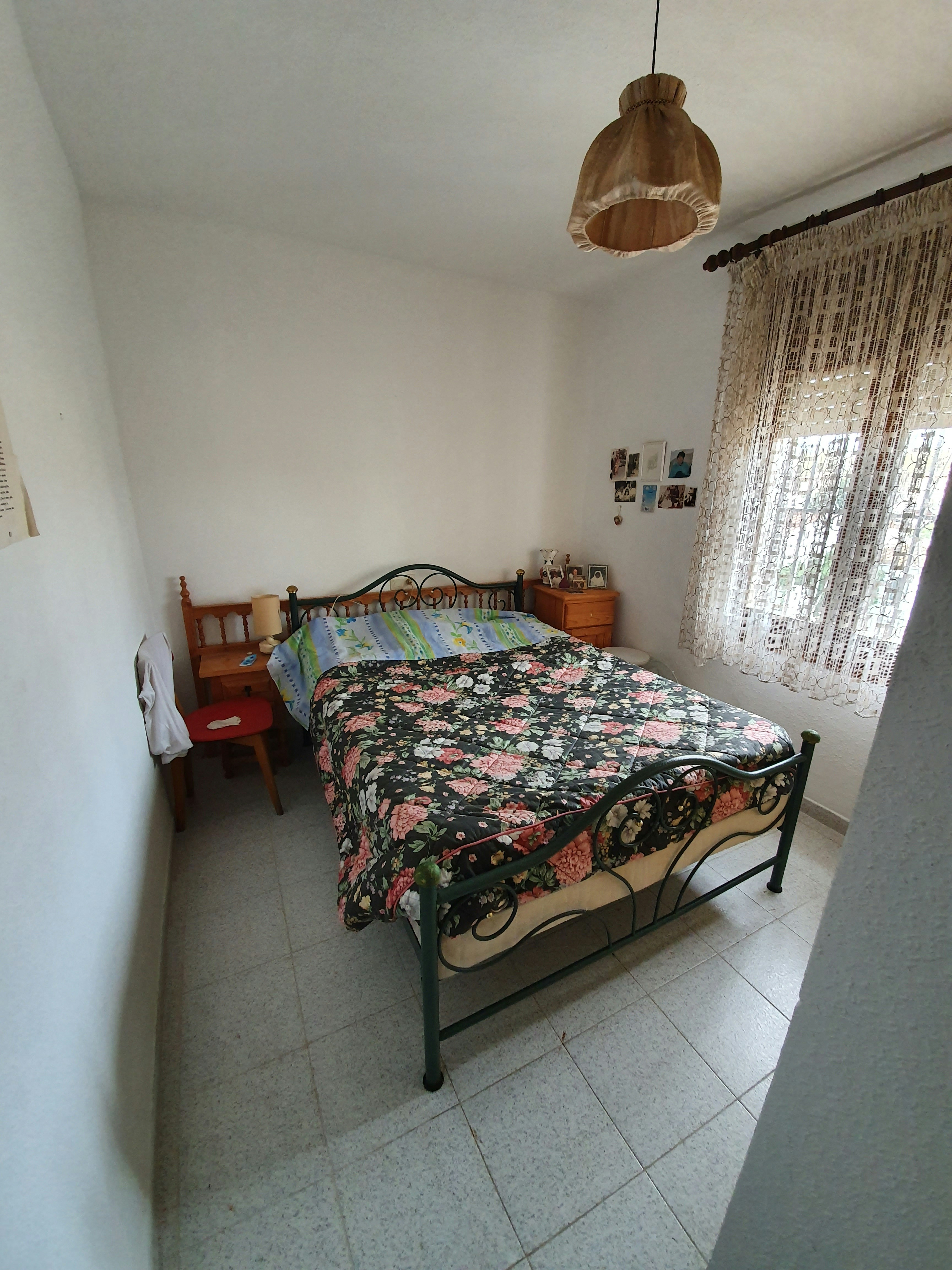
Before choosing a bed frame for a compact bedroom, measure the room carefully rather than relying on a general impression of its size. Record wall-to-wall length and width, then note door swings, closet doors, window placement, radiators, and any other features that affect where furniture can sit. A frame may fit on paper but still block a door, limit access to a wardrobe, or interfere with curtains if these details are overlooked. Marking the room’s dimensions on graph paper or with removable tape can help test possible layouts before buying.
Compare the frame’s outer dimensions, not just the mattress size. A standard mattress may have familiar measurements, but the frame can extend beyond it because of a broad headboard, wide side rails, a footboard, or decorative overhangs. These additions consume valuable floor area and may make a small room feel crowded. Check the manufacturer’s full product dimensions, including any projections, and consider whether a simple platform frame could meet practical needs with less visual and physical bulk. Low-profile designs can also preserve clearer sightlines across the room, helping the space feel more open.
Plan for usable clearance around the bed as well as for the mattress itself. There should be enough room to enter and leave comfortably, make the bed, open closet doors, and reach drawers or other furniture. The ideal clearance depends on the layout, but a narrow passage that is technically open may not work well in everyday use. Consider how the bed’s position affects circulation from the doorway to windows, storage, and frequently used furnishings. A smaller frame or a different orientation may improve access more than reducing the mattress size. By measuring the room and mapping movement paths first, shoppers can choose a frame that fits the bedroom’s real dimensions while keeping essential routes clear and the overall layout practical.
Under-bed storage can replace a separate dresser or shelving unit, freeing valuable floor area in a small bedroom. Some bed frames include built-in drawers or shelves, while others use a lift-up platform to reveal a storage compartment. A simpler frame with generous clearance can also accommodate bins or low containers. Each option uses otherwise unused space, but the best choice depends on what you need to store and how often you need to reach it.
Built-in drawers provide convenient access to clothing, linens, and other everyday items without requiring you to lift the mattress. However, they need enough open floor space to slide out fully. In a narrow room, a drawer may collide with a wall, desk, or nearby furniture, limiting access or blocking a pathway. Shelves can keep frequently used belongings within reach, although exposed items may collect dust and can make the area look cluttered if they are not arranged neatly.
Lift-up platforms make use of a broad storage area and can suit bulky, less frequently accessed items, such as spare bedding. Before choosing one, consider whether the lifting mechanism is manageable and whether there is comfortable room to raise the mattress. Frames with open clearance offer flexibility, but containers should fit neatly beneath the bed and be easy to pull out. Measure the usable height and width rather than relying on general product descriptions, and allow for the frame’s supports or central legs.
Match the storage design to your habits: keep everyday essentials easy to retrieve, and reserve harder-to-reach spaces for occasional-use belongings. Consider floor access as well, since a frame close to the ground may make cleaning difficult and allow dust to gather around stored items. Check that drawers, bins, or a raised platform will not block heating or cooling vents, doors, or the room’s common pathways. Careful measurements and a realistic assessment of access can help reduce clutter without making the bedroom harder to use.
A smart bed frame can reduce the need for separate bedroom furniture by combining storage and everyday functions in one footprint. A headboard with narrow shelves, for example, can hold a book, glasses, or a small lamp without requiring a full-width bedside table. Built-in ledges along the frame offer a similar place for nighttime essentials while keeping the floor clear. Some designs also include discreet charging access, such as a USB port or a cable opening near the headboard, so devices can be powered without a bulky extension cord crossing the room. Modular components provide flexibility: removable shelves or add-on storage can be chosen to suit the room rather than filling every available space.
Visual simplicity matters as much as function when a bedroom is compact. Simple lines and a low, open profile help the bed appear less imposing, while exposed legs allow the floor to remain visible beneath the frame. That uninterrupted view can make the room feel more spacious. A lighter-colored finish may also blend more easily with pale walls and bedding, reducing strong visual blocks. By contrast, oversized upholstery, thick side rails, and heavy footboards can dominate a small room and make pathways feel narrower. These features are not automatically unsuitable, but their scale should be considered against the room’s dimensions and the amount of other furniture.
Choose a design that balances visual lightness with durability and comfort. A slim frame still needs sturdy construction, adequate support for the mattress, and a headboard that feels comfortable if you sit up in bed. Consider whether built-in ledges are reachable from your sleeping position and whether they leave enough space for doors, drawers, or walking routes. Cable management deserves particular attention: check where outlets are located, how cords will be routed, and whether charging ports can be accessed without creating a tangle. Built-in features are useful only when they match the room’s layout and routines. Keep the items you use at night close at hand, but avoid adding shelves or components that create clutter or make the bed feel oversized.
Space-saving features are useful only when a bed frame remains sturdy, quiet, and safely constructed. Before buying, check the frame’s stated weight capacity and confirm that it includes the combined weight of the mattress and sleepers. For larger beds, look for adequate center supports as well as secure legs and joints; a frame that flexes or shifts can become noisy and may wear prematurely. Slat spacing matters, too: verify that it meets the mattress manufacturer’s requirements, since gaps that are too wide can affect support and potentially void the mattress warranty.
Materials and hardware also influence stability over time. Inspect product details for durable construction, well-fitted fasteners, and clear assembly instructions rather than relying on appearance alone. Follow the manufacturer’s guidance about compatible mattress types, foundation requirements, and maximum loads. If possible, review warranty terms and care instructions before purchase. A compact design should not depend on flimsy connectors or make routine tightening and maintenance difficult.
Consider how the frame will enter and fit into a small bedroom. Measure doorways, stairs, hallways, and the available assembly area, and check whether parts can be carried separately. Some frames are easier to assemble in place, while others need space to be laid out before construction. If the room may be rearranged, a model that can be disassembled and moved without damage can be especially practical. Adjustable or modular frames may also suit changing needs, such as a different mattress size or a new storage arrangement, provided their added joints remain secure.
Before placing an order, use a simple checklist: confirm room and frame measurements, including clearance for drawers or lift-up storage; verify the mattress support requirements and total weight capacity; assess access for delivery and assembly; and check that the bed will not block doors, closets, or existing furniture. Consider whether storage can still be opened once bedside tables or other pieces are in place. Finally, ask whether the frame can be relocated or adapted later. Comparing these details helps balance a smaller footprint with dependable support and practical long-term use.
Leave a Reply